5 Threats This Week That Started With a Conversation
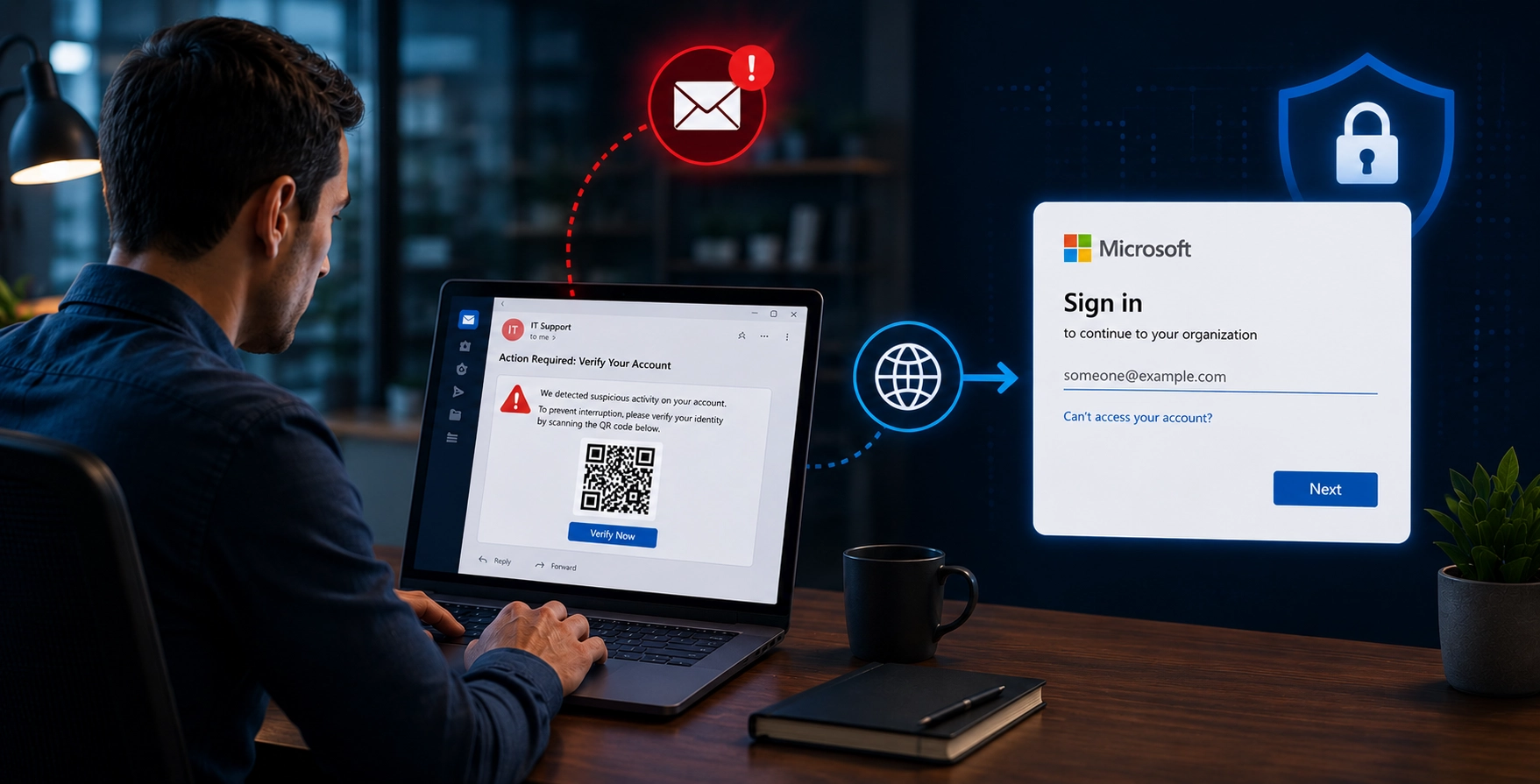
From the FBI-flagged Kali365 phishing kit to ransomware hidden in "legal documents," here are this week's top social engineering threats and how to stop them.
The Verizon 2026 DBIR confirms that people remain central to breach risk, but attackers are no longer relying on email alone. Security awareness programs need to evolve from annual training and basic phishing tests into continuous, behavior-based human risk management.
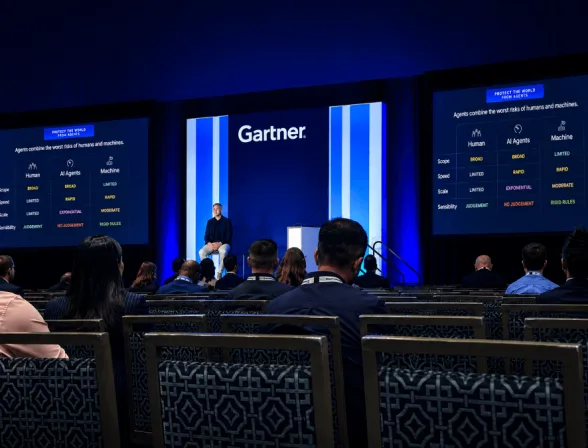
Artificial intelligence, human risk, cyber resilience, and post-quantum security dominated discussions at the Gartner Security & Risk Management Summit 2026. Explore key takeaways on agentic AI governance, Shadow AI, spear phishing, security awareness training, and the evolving role of humans in cybersecurity defense.
PhishingBox is heading back to Gartner Security & Risk Management Summit 2026 in National Harbor, Maryland. Visit booth 952 from June 1–3 to meet our team and preview a major new product reveal focused on the future of security awareness, phishing simulation, training, and human risk management.
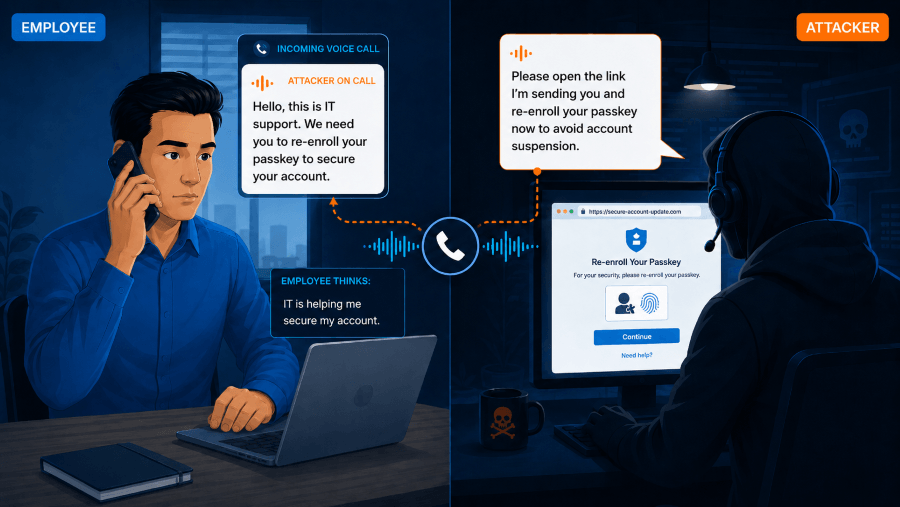
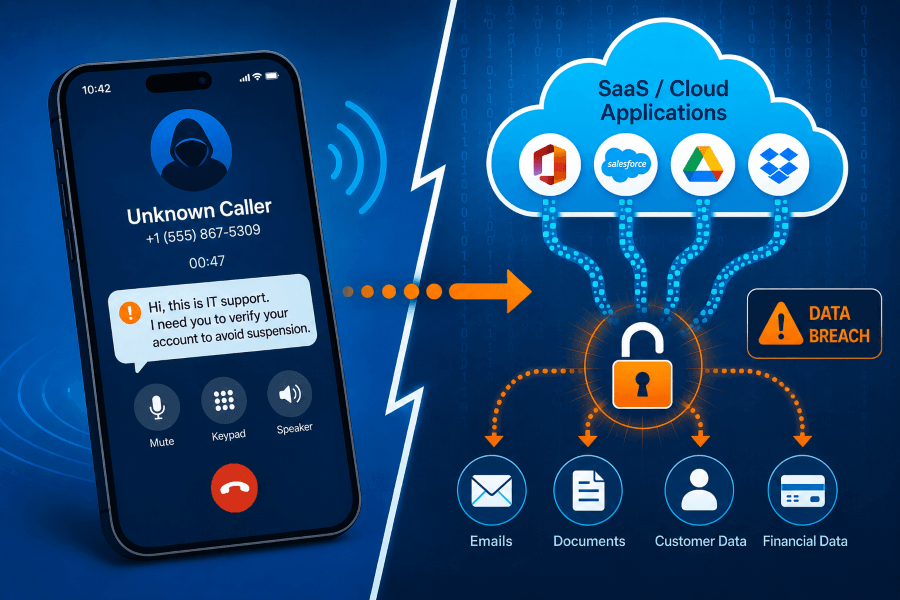
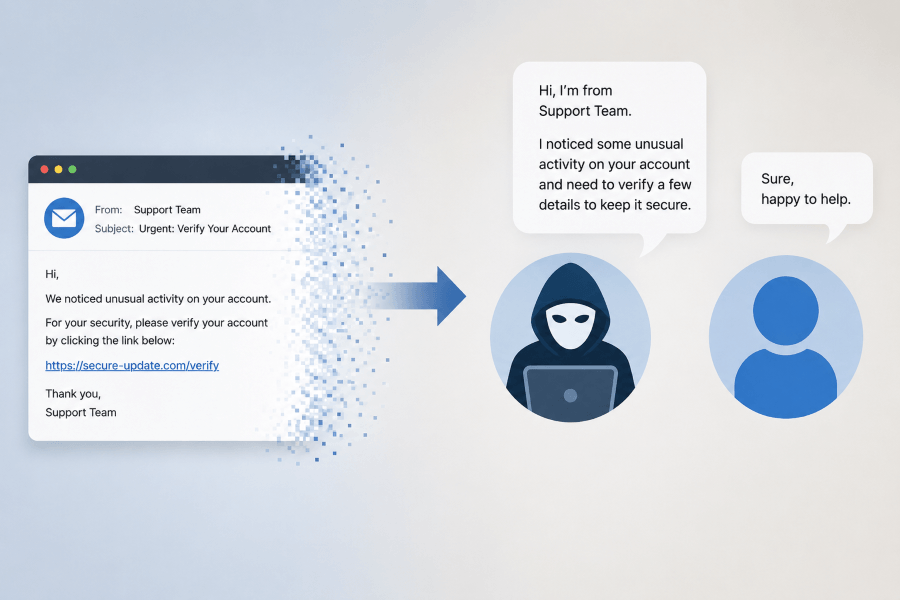
A breakdown of 2026’s top social engineering threats, including phishing, vishing, AiTM attacks, and credential exposure—and how to reduce risk.
Cyberattacks continue to make headlines, and the message is clear: human error remains at the heart of most data breaches. From high-profile incidents like DoorDash’s social engineering breach to findings in Verizon’s DBIR, attackers are increasingly exploiting trust, urgency, and simple mistakes rather than technical flaws. This article explores why security awareness training and phishing simulations are no longer optional, how they reduce real-world risk, and how platforms like PhishingBox help organizations turn employees into a strong, proactive human firewall.
Verizon’s latest Data Breach Investigations Reports make one thing clear: the human element is the leading cause of data breaches year after year. Whether it’s a misclick, a misconfiguration, or a convincing phishing email, people—not just technology—are at the heart of most security incidents. This article explores three years of DBIR data, highlights the steady role of social engineering, and explains how organizations can reduce risk by investing in awareness, testing, and training, starting with their own workforce.
A look at the cyber threat landscape and some helpful awareness solution options.
Learn how to turn CISA cross-sector cybersecurity goals into practical controls, training priorities, and awareness steps.