php2shell: The PHP Bug That Does Not Need Anyone to Click
Two critical PHP flaws, php2shell, give attackers code execution with no click from anyone. The patch list, quick mitigations and the lure to warn staff about.
Recent cyberattacks against municipal water systems show why no single security control can protect an organization. Effective defense requires secure technology, well-designed processes, and a prepared workforce working together.
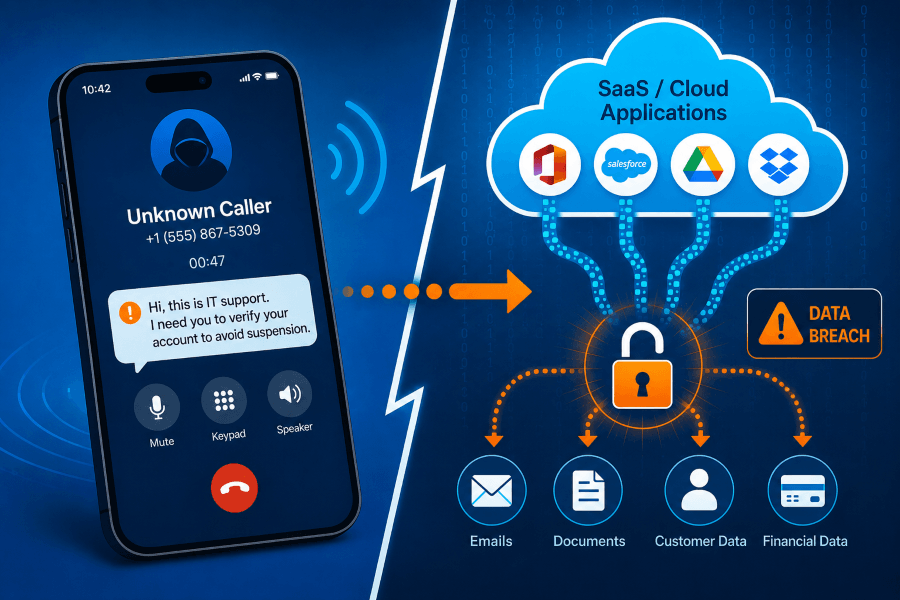
Voice phishing is now a leading breach entry point. Inside the ShinyHunters vishing playbook hitting Salesforce customers and how to defend your help desk.
The Verizon 2026 DBIR confirms that people remain central to breach risk, but attackers are no longer relying on email alone. Security awareness programs need to evolve from annual training and basic phishing tests into continuous, behavior-based human risk management.
Social engineering is accelerating in 2026, with attackers shifting from malware to manipulating people through voice calls, phishing emails, and AI-powered deception. From enterprise vishing campaigns stealing SSO and MFA credentials to global cyberespionage operations and large-scale breaches triggered by a single employee interaction, trust exploitation remains the primary entry point. As emerging economies and cloud-driven organizations expand their digital footprint, identity deception, impersonation, and voice-based attacks are becoming dominant threats—proving that the human element is still the most targeted vulnerability in cybersecurity.
Cyberattacks continue to make headlines, and the message is clear: human error remains at the heart of most data breaches. From high-profile incidents like DoorDash’s social engineering breach to findings in Verizon’s DBIR, attackers are increasingly exploiting trust, urgency, and simple mistakes rather than technical flaws. This article explores why security awareness training and phishing simulations are no longer optional, how they reduce real-world risk, and how platforms like PhishingBox help organizations turn employees into a strong, proactive human firewall.
Verizon’s latest Data Breach Investigations Reports make one thing clear: the human element is the leading cause of data breaches year after year. Whether it’s a misclick, a misconfiguration, or a convincing phishing email, people—not just technology—are at the heart of most security incidents. This article explores three years of DBIR data, highlights the steady role of social engineering, and explains how organizations can reduce risk by investing in awareness, testing, and training, starting with their own workforce.

Review the CrowdStrike outage impact and the phishing risks that followed as attackers tried to exploit confusion.
Read how PhishingBox contributed cybersecurity perspective during AT&T breach news coverage and phishing discussions.