Securing Enterprise Third-Party Applications in Microsoft 365
Review practical steps for controlling app access and protecting your Microsoft 365 environment.
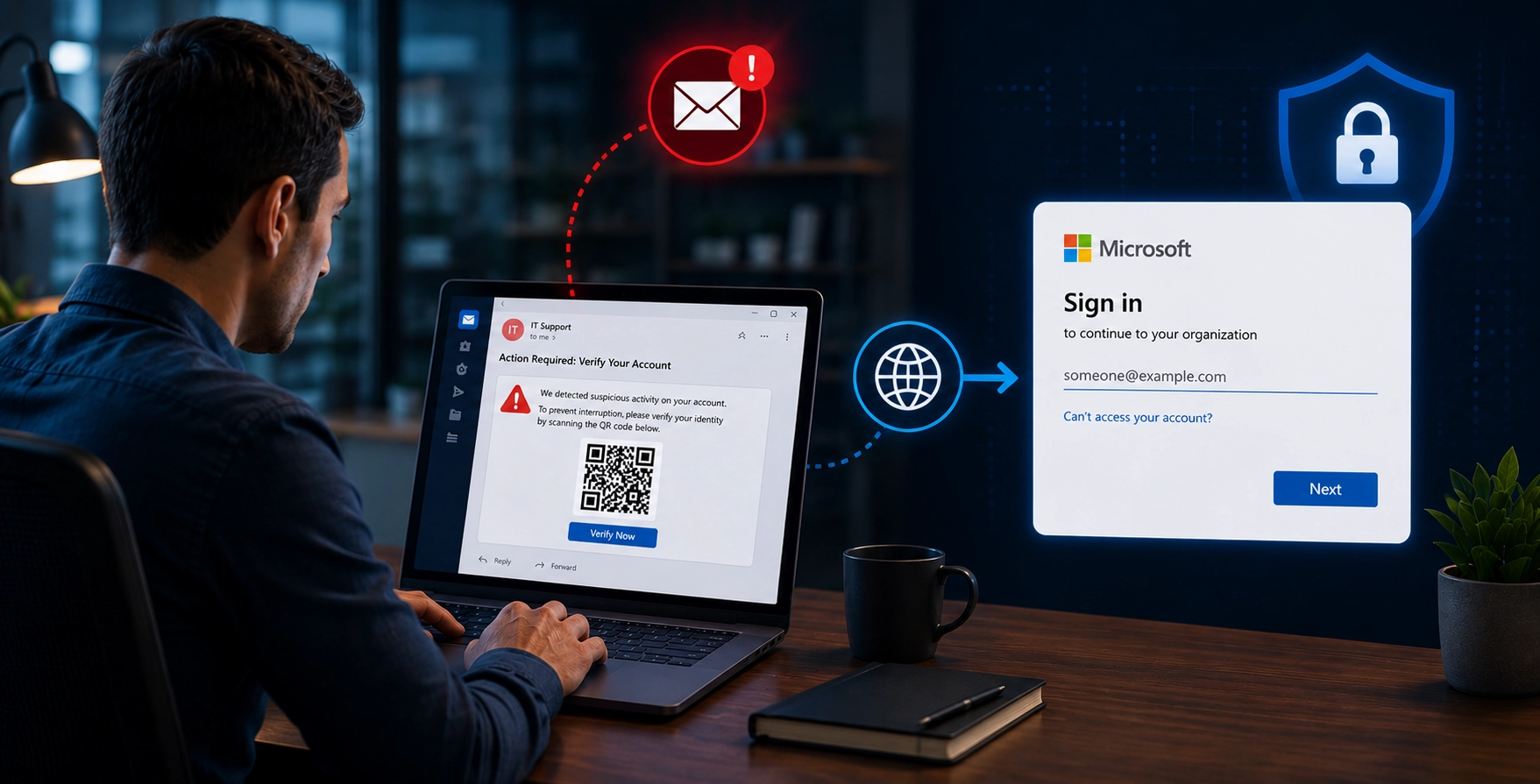
As an IT administrator, it is crucial to ensure that only trusted applications have access to your Microsoft 365 environment. The following steps will guide you through configuring your Microsoft 365 Admin Center to limit user consent for third-party applications, enabling better control over which apps are granted permissions. By implementing these settings, you will reduce the risk of unauthorized applications accessing sensitive organizational data and strengthen your overall security posture.
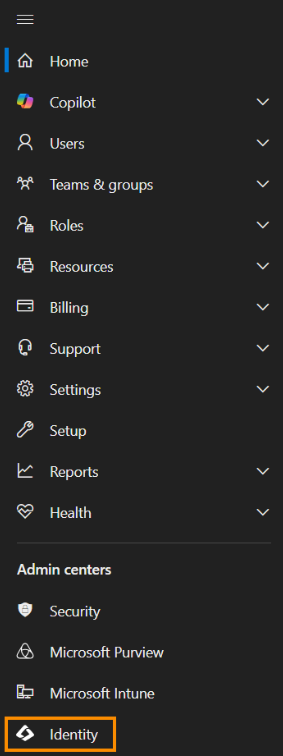
Step 1: Log in to the Microsoft 365 Admin Center
Navigate to the Identity section.
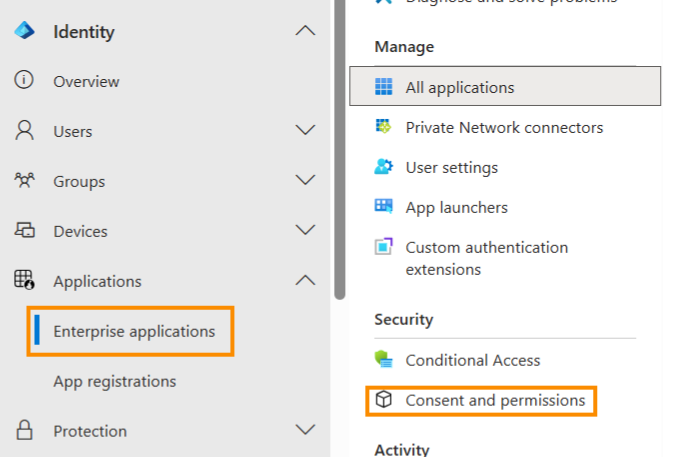
Step 2: Configure Protection Settings
Expand the Applications menu and select Enterprise Applications.
Under Security, click Consent and permissions.
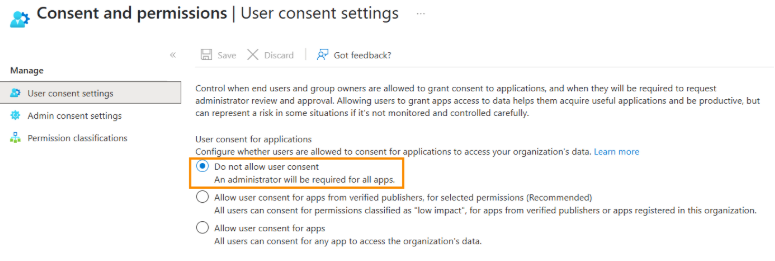
Step 3: Restrict User Consent
In the User consent settings, select Do not allow user consent. An administrator will be required for all apps.
Click Save to apply the changes.
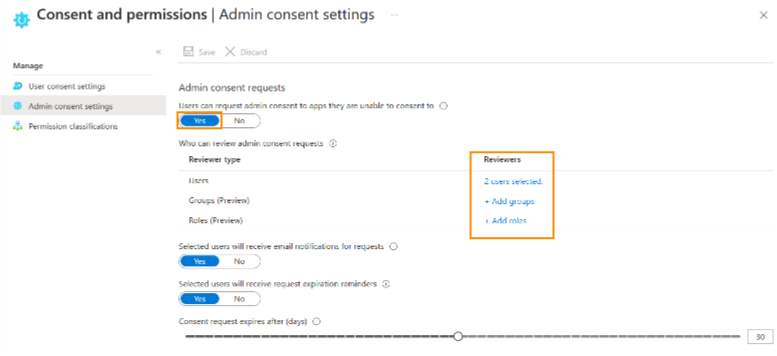
Step 4: Configure Admin Consent Settings
Under Manage, click Admin consent settings.
Set Users can request admin consent to apps they are unable to consent to to Yes.
Select Add user or group to assign individuals who will be responsible for reviewing and approving application requests.
By following these steps, you will be able to effectively control and monitor third-party application access, ensuring a more secure Microsoft 365 environment for your organization.