
Phishing Attacks are Increasingly Sophisticated
The world of cybersecurity is ever-changing, and bad actors are increasingly coming up with sophisticated social engineering phishing attempts that most people lack the training to identify
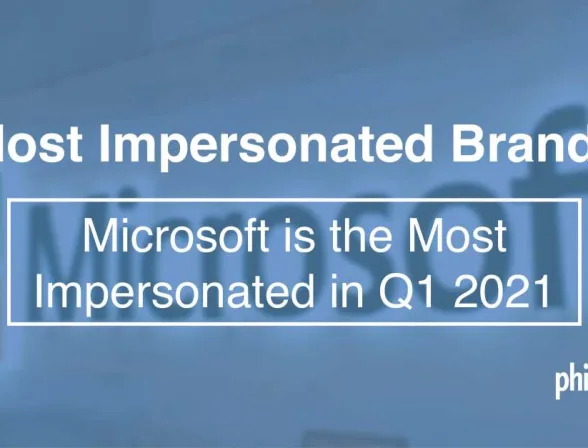
According to the Brand Phishing Report for Q1 courtesy of Check Point, Microsoft holds the distinction for being the Most Imitated Brand in Q1 2021. For those not familiar, the report highlights the brands that are frequently imitated by criminals every quarter.
The 2021 Verizon Data Breach Investigations Report (DBIR) provides valuable information on the threats facing organizations today. The DBIR is produced by Verizon with a collaboration of many security entities. The following is a summary of finding that relate to the human element of security.
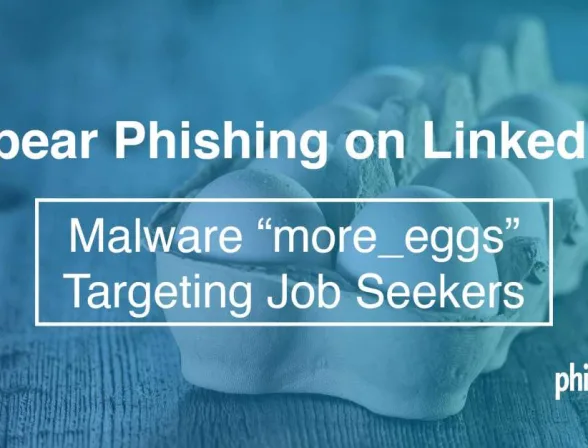
With a COVID-influenced economy, job hunting has become very difficult, and as a result, more and more people are using LinkedIn as a tool to look for remote jobs or local jobs online. However, things might have become more dangerous because these job offers are now the target of cyber criminals.
According to the IBM X-Force Report, phishing remains one of the leading causes of data breaches outside of ransomware. K–12 education systems are not immune to this reality since elementary and secondary school networks contended with a record number of cybersecurity incidents during 2020.
A report in the Wall Street Journal on October 26th described incidences of election officials within the U.S. at the local level being sent suspicious emails which appear to be purposefully targeting them due to their position within their states.
n Sunday August 30th, 2020 CenturyLink suffered a major outage which affected numerous internet companies including Amazon, Twitter, Microsoft via Xbox Live, EA, Blizzard, Steam, Discord, Reddit, Hulu, NameCheap, OpenDNS, and many others including PhishingBox.
The developers behind the Google Chrome browser have announced in a blog post that they will begin testing a new way to help defend against the increasing threat of phishing attacks.
In a new report from the combined efforts of Arizona State University, PayPal, Google, and Samsung, researchers found that at least 7.42% of victims who visit phishing pages input their credentials resulting in compromised accounts and experience fraudulent transactions as a result.