
PhishingBox Featured in Cybersecurity Awareness News Coverage
PhishingBox shares practical guidance from WKYT coverage of a major healthcare cyberattack, including why breach headlines trigger follow-on phishing...
Cyberattacks continue to hit organizations of every size, and large public incidents tend to create a second wave of risk: confusion, urgency, and follow-on phishing. When a well-known healthcare provider, employer, bank, or government agency makes headlines, people become more likely to trust emails, texts, phone calls, or websites that appear connected to the event.
PhishingBox was featured in WKYT coverage on November 1, 2022, about the cyberattack affecting CommonSpirit, the parent company of CHI St. Joseph Hospital in Lexington. The segment used the story as a real-world reminder that cybercrime is not limited to one industry and that highly visible attacks often create new opportunities for social engineering.
That is one reason breach and outage news matters beyond the initial headline. Once the public knows a company has been attacked, scammers can quickly build believable lures around password resets, service interruptions, billing questions, patient information, account verification, or fake support outreach. People who are worried about disruption are more likely to act before they verify.
Why Major Cyberattack Headlines Lead to More Phishing
Attackers pay attention to breaking news. A widely reported incident gives them a ready-made story, a recognizable brand name, and an audience already primed to click. Messages tied to a real event often feel more legitimate because they match something the recipient has already seen in the news.
Healthcare incidents can be especially sensitive because they involve personal information, scheduling, billing, prescriptions, portals, and care access. The same pattern applies across sectors: if users expect updates, scammers can imitate those updates. That is why awareness training should connect major news stories to practical verification habits people can use right away.
What to Check After a Breach or Service Disruption
When a cyberattack or outage is in the news, slow down before trusting follow-up communication. Scammers often use real company names and familiar concerns to move people into a rushed decision.
- Verify the sender and the destination. Do not trust a display name, logo, or urgent subject line on its own.
- Go directly to the known website. Avoid using links from unexpected emails, texts, or social posts.
- Be careful with requests tied to passwords, payments, records, or account access. Those are common pressure points after a public incident.
- Question messages that demand immediate action. Urgency is one of the most reliable signs of social engineering.
- Report suspicious outreach. Fast reporting helps security teams warn others and block similar messages.
For organizations, these moments are strong awareness opportunities. A short reminder to employees, patients, customers, or partners can reinforce the same habits that prevent everyday phishing: pause, question, verify, and double-check before clicking or sharing sensitive information.
Watch the WKYT Cyberattack Segment
The PhishingBox video page now gives this WKYT segment its own watch page, along with a short summary and key takeaways. Use it as a quick awareness resource when discussing social engineering, breach follow-up scams, or real-world cyberattack headlines.
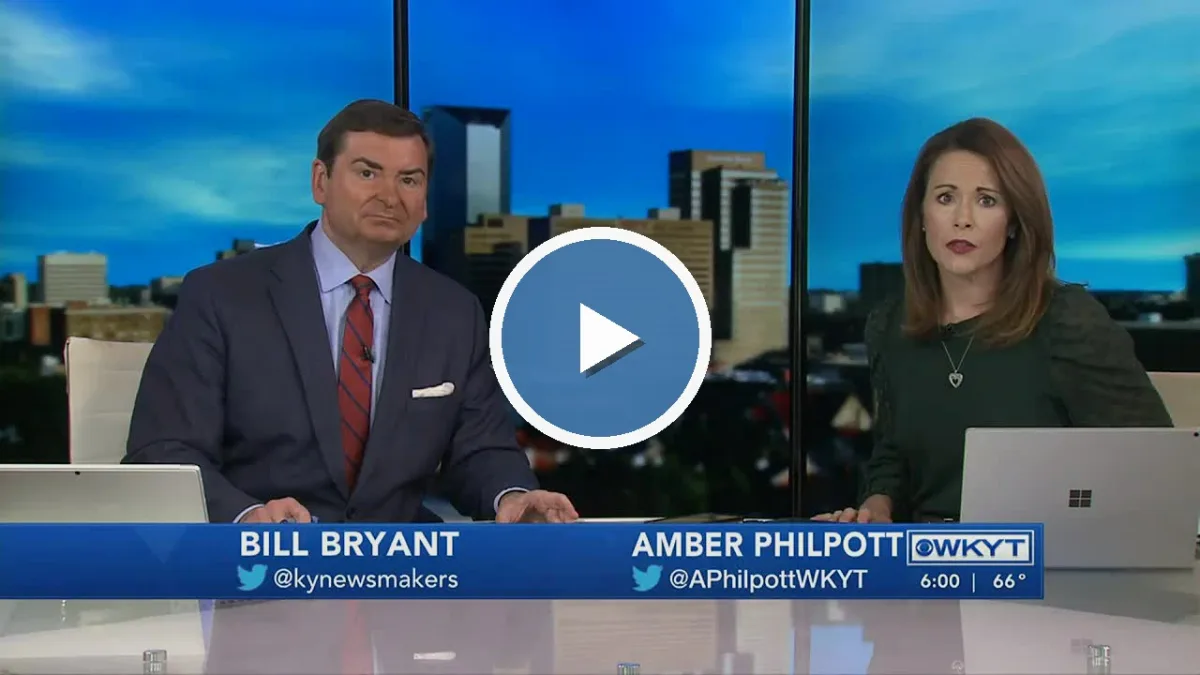
Turn Breaking News Into a Training Opportunity
One of the most effective awareness strategies is connecting security habits to events people are already paying attention to. When a ransomware attack, data breach, or service outage becomes public, teams have a timely reason to remind users how attackers exploit uncertainty and trust.
That approach helps move awareness out of the abstract. Instead of talking about phishing as a general threat, organizations can show how a real headline could lead to fake account notices, spoofed help-desk messages, breach-themed login pages, or calls that pressure someone to share sensitive details.
For more local context, read the full WKYT report on the Lexington hospital cyberattack.